Turn one approved brief into content without inventing the story
Use a structured brief, a source list and explicit claim checks to generate reusable channel drafts.
A model can turn a short product note into an impressive launch story. It can also add a customer outcome, a feature or a statistic that nobody approved.
A content harness should make that expansion visible. Its job is to adapt an approved story to different channels while preserving the facts and keeping publication under editorial control.
Define the source of truth before the tone
Create a brief form with the audience, purpose, approved facts, evidence links, available product features, prohibited claims and call to action. Separate factual inputs from stylistic preferences.
For example, “the tool exports a CSV” is a product fact. “Make the copy confident and direct” is a writing preference. The second instruction must not turn the first into “exports to every business system”.
If you have no customer result or performance measurement, leave that field empty. A strong piece of content can explain a useful workflow without inventing a case study.
Save the channel rules once
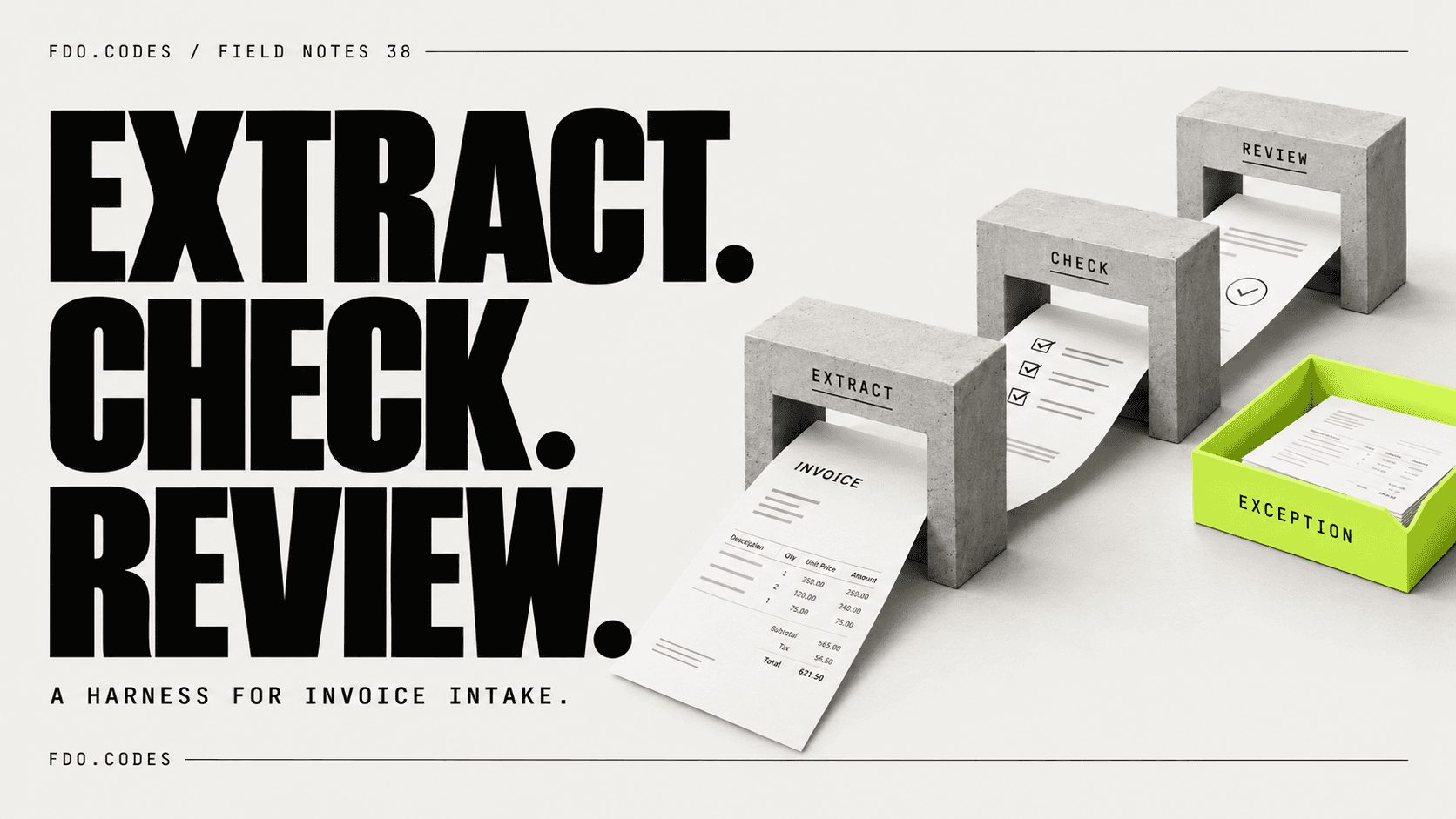
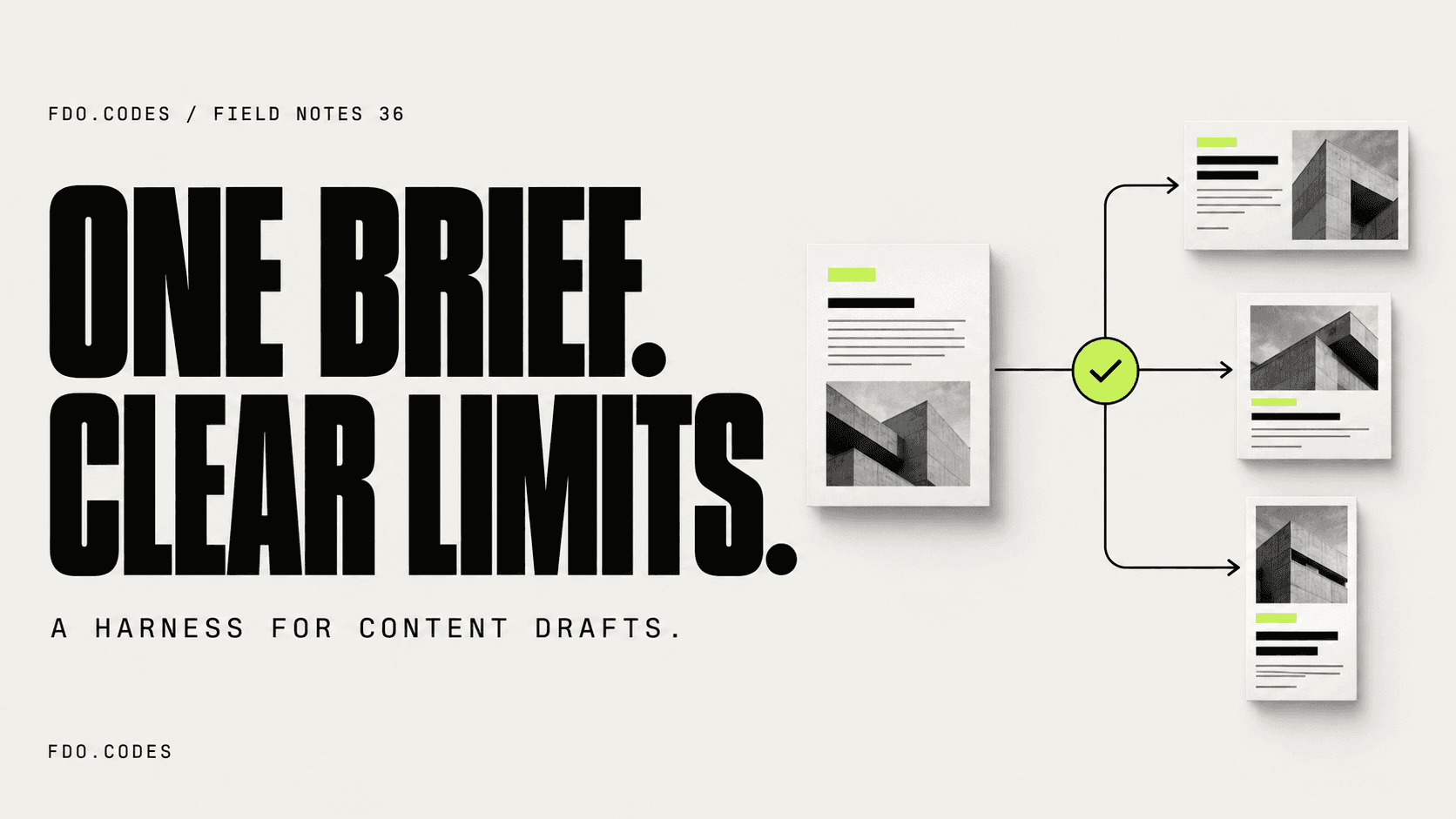
A visual workflow can read the approved brief, generate a blog outline and social drafts, check length and required fields, and place the results in an editorial queue. Use saved channel templates for structure, tone and formatting.
Keep a list of claims beside each draft and require a link back to the relevant brief item or source. Rules can check whether a link or required field exists; an editor still needs to judge whether the evidence supports the wording.
A structured-output component can help keep the same fields across runs. It does not verify the truth of the prose. See n8n’s parser documentation.
Put publication after approval
Generate drafts first. A person checks factual accuracy, tone, confidentiality and image suitability. Keep the approval attached to the specific version; later edits should not inherit it automatically.
For images, define the visual system separately: palette, aspect ratio, typography and whether people are illustrative or real. A generated face should not imply a customer testimonial or an employee identity.
Test the temptation to embellish
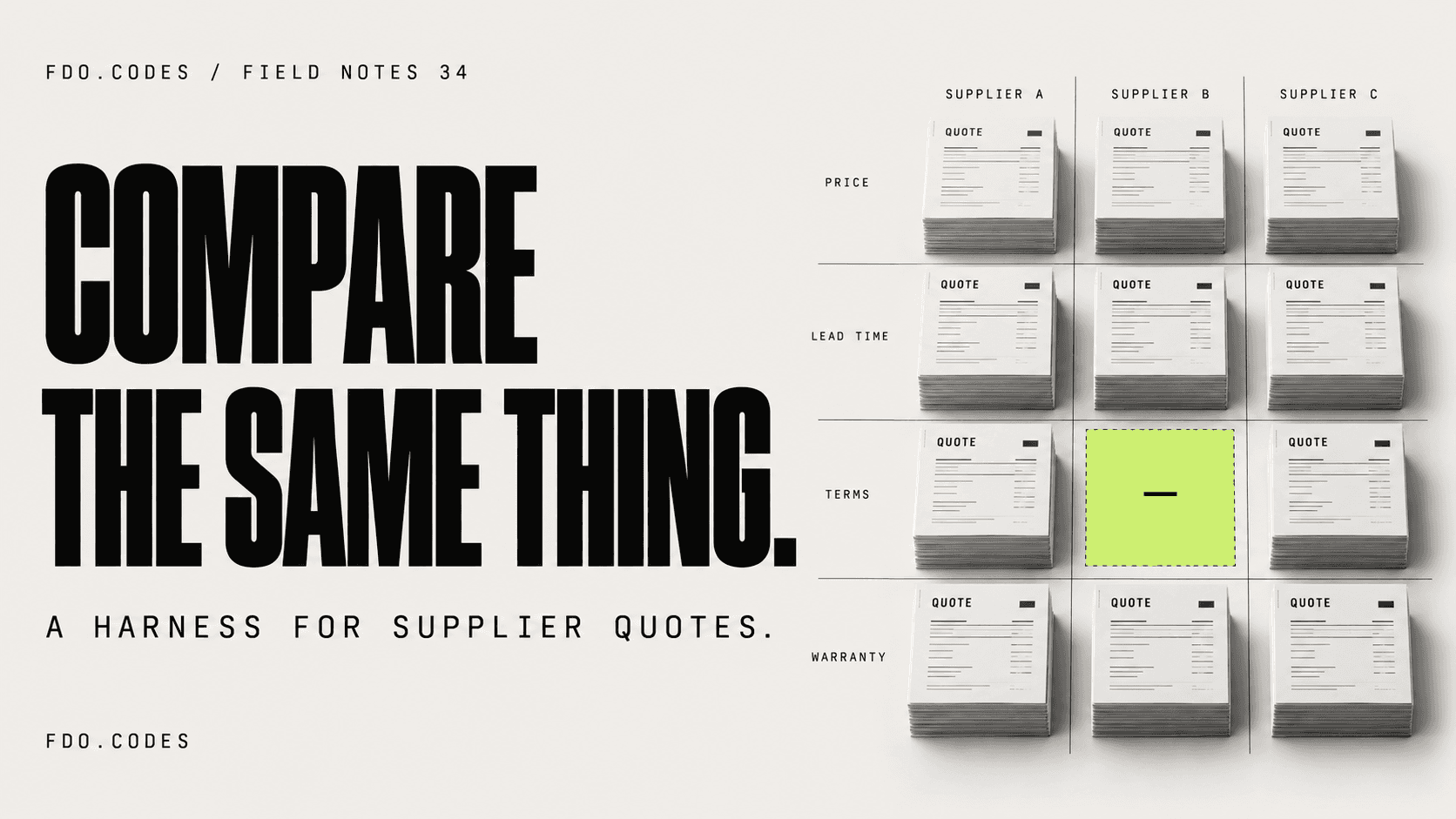
Use a brief with no statistics, one with an unresolved feature and one with an explicitly prohibited claim. The expected output should preserve those gaps. If the model fills them with attractive inventions, the workflow is not ready for unattended drafting at scale.
You can build much of this with forms, tables and visual automation connectors. You still configure instructions and maintain the templates. The harness removes repetitive briefing and adds reviewable boundaries; it does not remove editorial responsibility.
The useful measure is time to an approved, accurate draft across channels. Producing more words is easy. Preserving the story is the work.