Create a digest that tells you what changed
Watch a few trusted sources and send yourself only meaningful changes, with links back to the evidence.
A daily summary can become one more thing you ignore. If it repeats yesterday’s information in new wording, it has added reading rather than removed it.
A more useful experiment is a change-only digest. Choose a small subject you care about: release notes for tools you use, updates from a local club or a handful of research feeds. The workflow should tell you what is new, where it came from and why you might want to look.
Keep the source list small
Start with three official feeds or pages that permit this kind of access. Use feeds and documented integrations where available. Record the source URL, publication date and the previous version or last-seen item identifier.
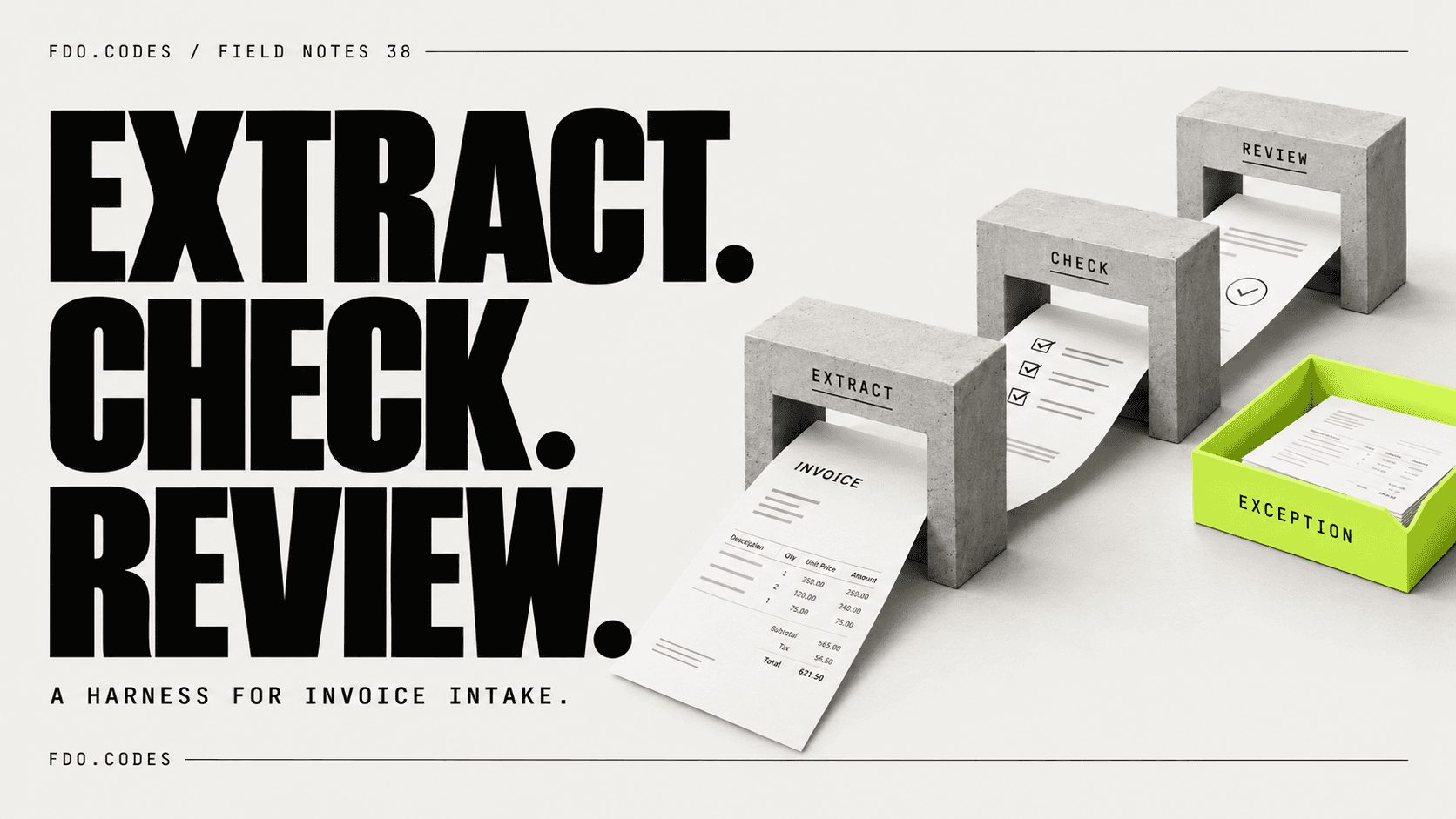
Before calling a model, compare the current input with what you have already processed. If nothing changed, stop. A deterministic comparison is often enough to avoid paying for another summary of the same material.
If a page contains rotating adverts or navigation changes, isolate the relevant content so noise does not trigger a new digest.
Ask for a difference, not another overview
Give the model the previous and current relevant text. Request three sections: new facts, practical implications and unanswered questions. Each new fact should point back to the source. Keep interpretation visibly separate from what the source actually says.
For example, a release note might announce a new export format. The fact is the format’s availability. “This may simplify our monthly handoff” is an interpretation to check against your own process. A model should not claim you will save an hour without evidence.
Make silence an acceptable result
Send a digest only when the change passes your relevance rule. Otherwise, save the check result quietly. Start with delivery to yourself and keep any onward sharing manual.
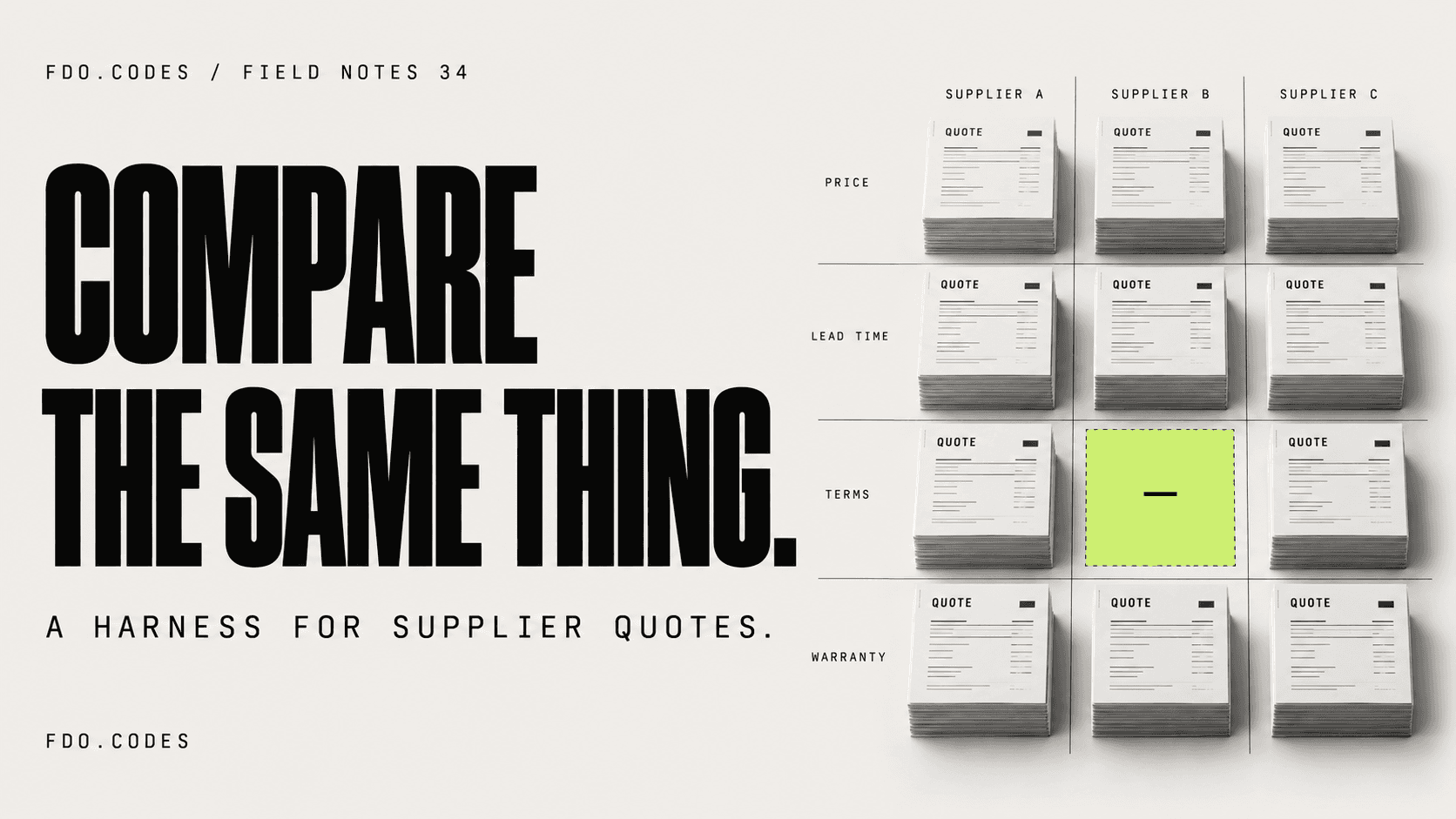
Include a “last checked” timestamp and distinguish an unavailable source from an unchanged one. Failed retrieval must not produce “nothing new”. If only two of three sources loaded, say so.
A useful test is to compare a week of this digest with your normal reading. Did it surface relevant changes? Did it miss anything important? How often did it interrupt you unnecessarily?
This design gives AI a bounded reading task. The source list, change detection and notification policy do much of the work. My preference is a small digest that earns attention over a long summary generated simply because a schedule fired.