Put Company Policy Inside the Agent’s Harness
Translate written rules into permissions, approval gates, evidence and exception handling that operate with the workflow.
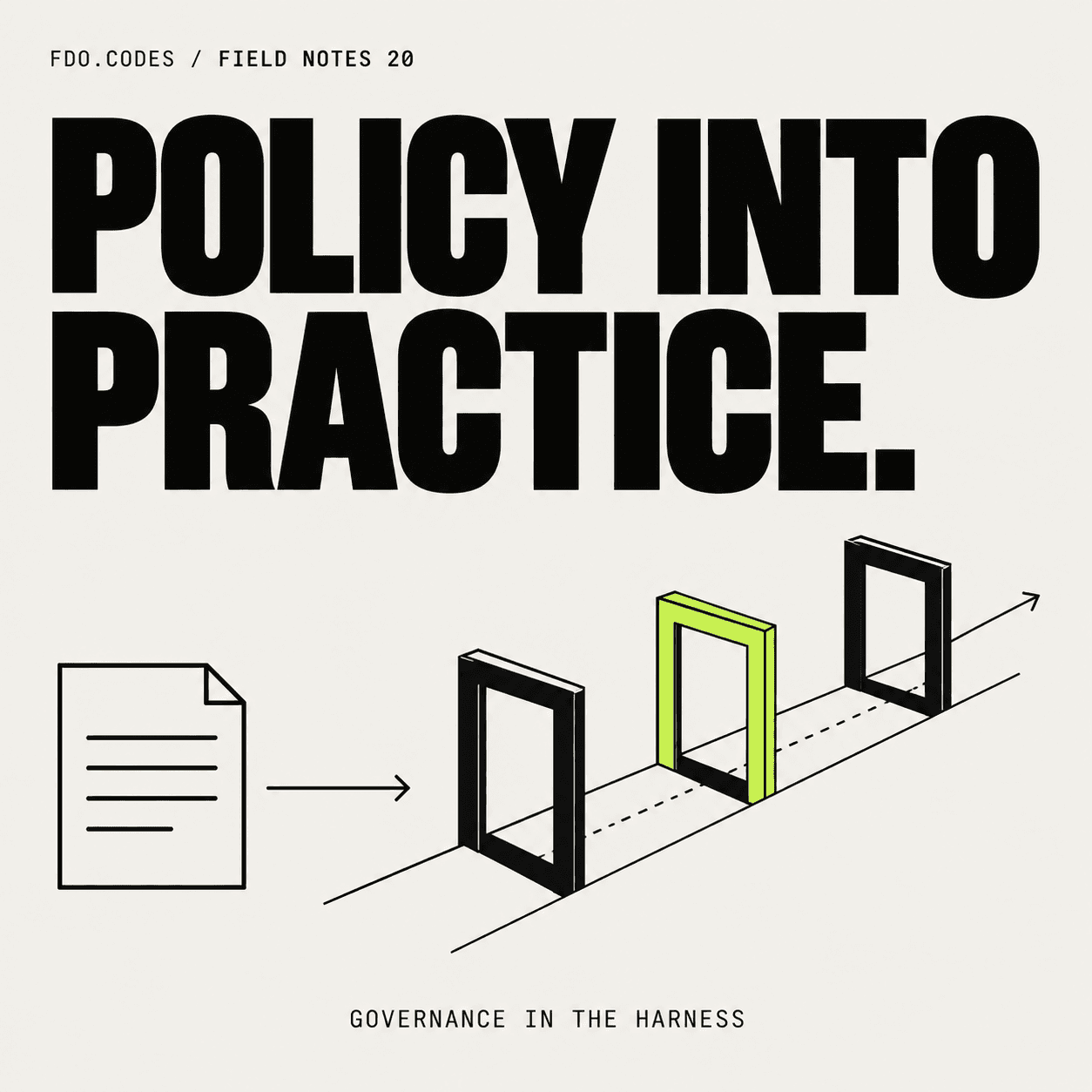
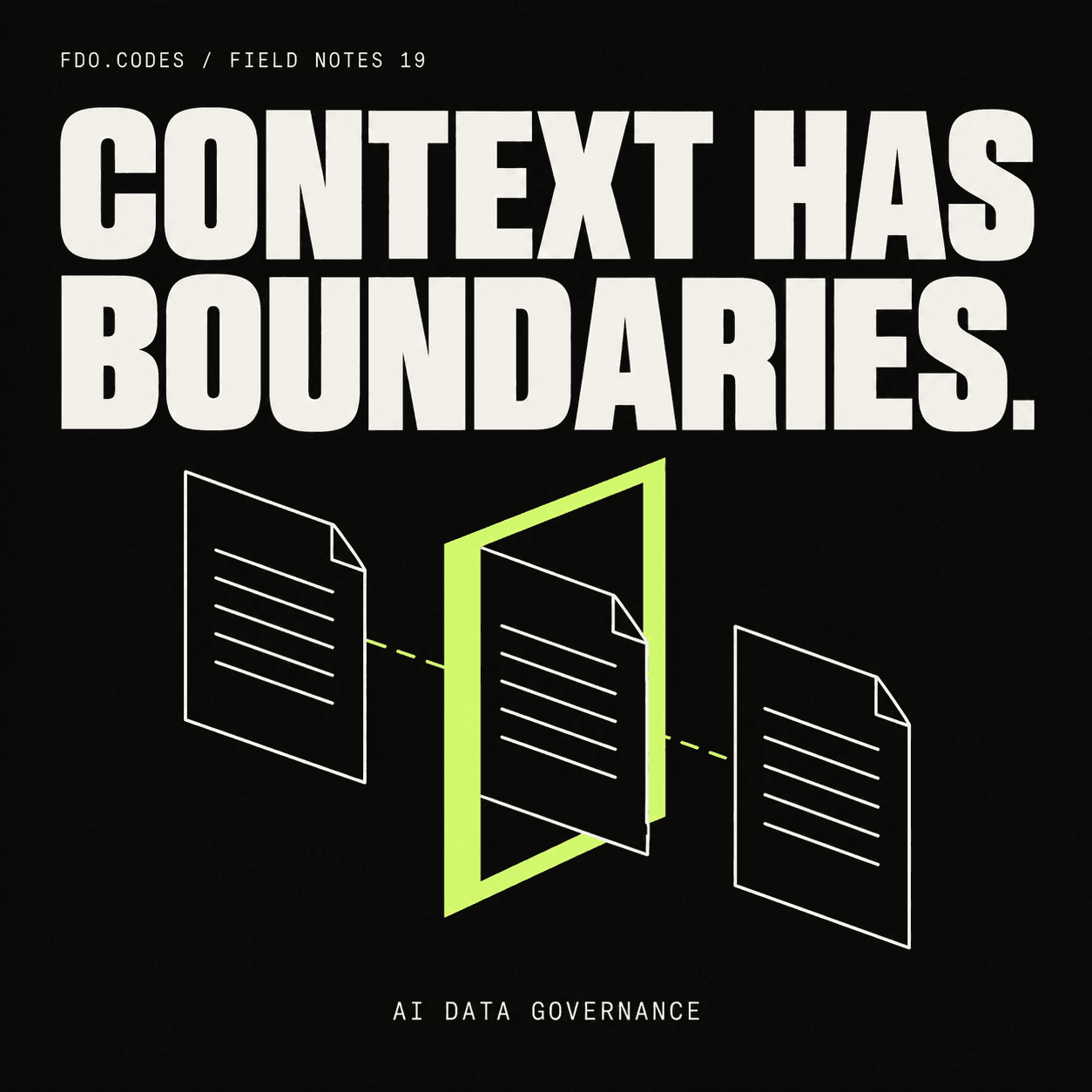
An AI policy becomes operational when it changes what a system can do. A document saying “use responsibly” leaves too many decisions to interpretation at the moment of action.
My approach is to turn each important rule into a control with a clear owner and a way to test whether it works. The harness is where business policy meets the model’s tools, context and execution path.
Translate rules into specific controls
Take a rule such as “external communications require an authorised reviewer.” The implementation needs a draft state, an identified reviewer, a view of the proposed message and recipients, and a send operation that remains unavailable until approval is recorded.
A spending boundary needs an enforced limit and an approval route for exceptions. A data restriction needs access and destination controls. A requirement to use approved evidence needs source checks and a clear response when evidence is missing.
These examples are design patterns, not claims that one technical control establishes legal compliance. The control set must fit the use case and its consequences.
Give exceptions a controlled path
Some legitimate work will fall outside the standard route. Record the reason, approving authority, scope and expiry of an exception. Avoid silently converting a one-off exception into permanent permission.
Treat changes to models, prompts, tools and approval logic as changes to the operating system of the workflow. Version them, test the affected cases and preserve a recovery path. The same model can behave differently when its context or tool set changes.
The NCSC’s secure AI guidance treats deployment and ongoing operation as security responsibilities alongside development. That supports maintaining controls after launch. Read the NCSC guidance.
Keep enforcement fair and understandable
Staff need approved ways to complete their work and a safe route to report errors. Deliberate bypassing of controls should enter an established, proportionate process developed with HR, legal specialists and employee representatives where applicable. Do not improvise automatic penalties from an AI alert.
Investigate what happened, whether the rule was clear, and whether the system made safe behaviour practical. Technical containment and an employment decision serve different purposes.
Choose one policy statement this week. Identify its enforcement point, responsible owner, exception route and test. If none exists, the next task is implementation.