The model is the stallion. Build the harness.
Power becomes useful when the surrounding system gives it direction, boundaries and feedback.
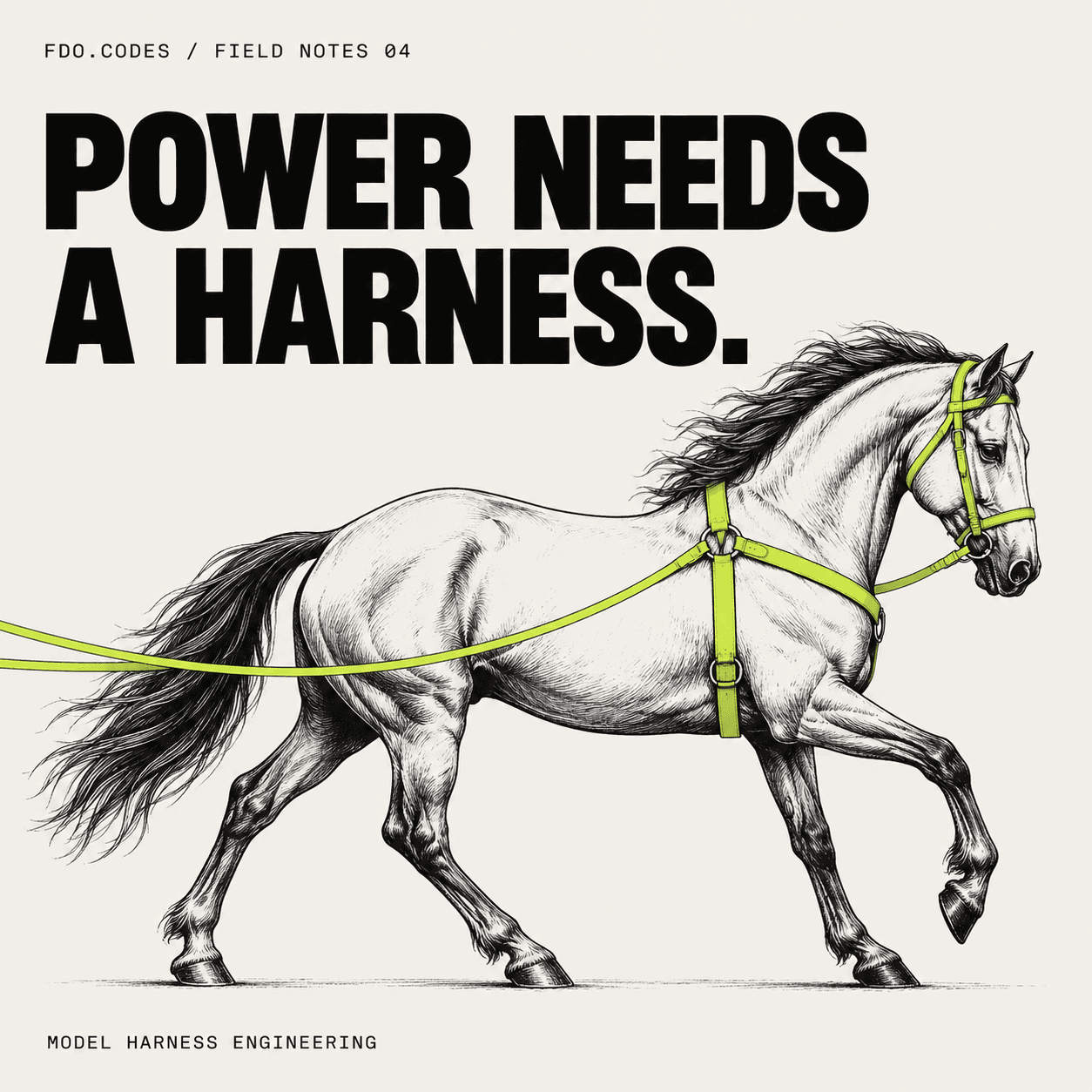
A powerful AI model reminds me of a stallion: capable of extraordinary work, but buying the horse does not give you a transport system. You still need direction, a suitable harness and someone responsible for the journey.
The analogy has limits. Software is not an animal, and no harness makes a language model perfectly predictable. But it captures a mistake I want more business leaders to recognise: choosing a model and writing a prompt are only part of building an operational system.
What the harness does
I use “model harness” to mean the surrounding software that supplies context, exposes tools, manages the work and checks what happens. An agent harness gives the model a controlled way to take steps. An evaluation harness tests whether the combined system behaves as intended. These are related responsibilities, not interchangeable labels.
Imagine a customer-support assistant. A prompt can ask it to be helpful. The harness decides which customer records it can read, which policy version applies, whether it can draft or send a message, and what must happen when the account cannot be identified. Those decisions determine whether helpful language becomes useful work.
Build the controls around the work
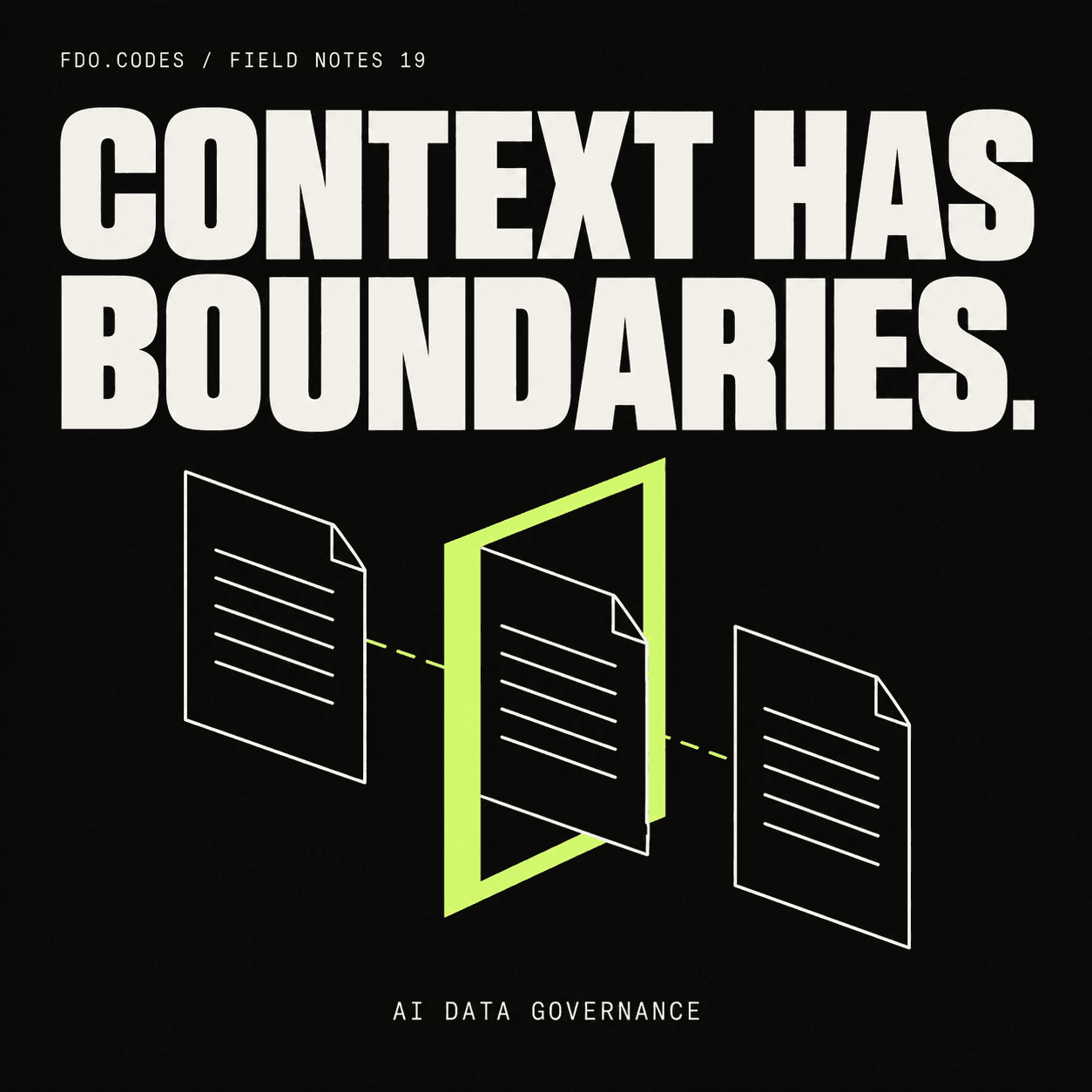
My starting design has six parts. A clear task contract defines the requested result. A context boundary supplies relevant evidence. A tool boundary limits possible actions. Persistent state records progress. Verification checks facts and outcomes. A stopping rule decides when to finish, retry or ask a person.
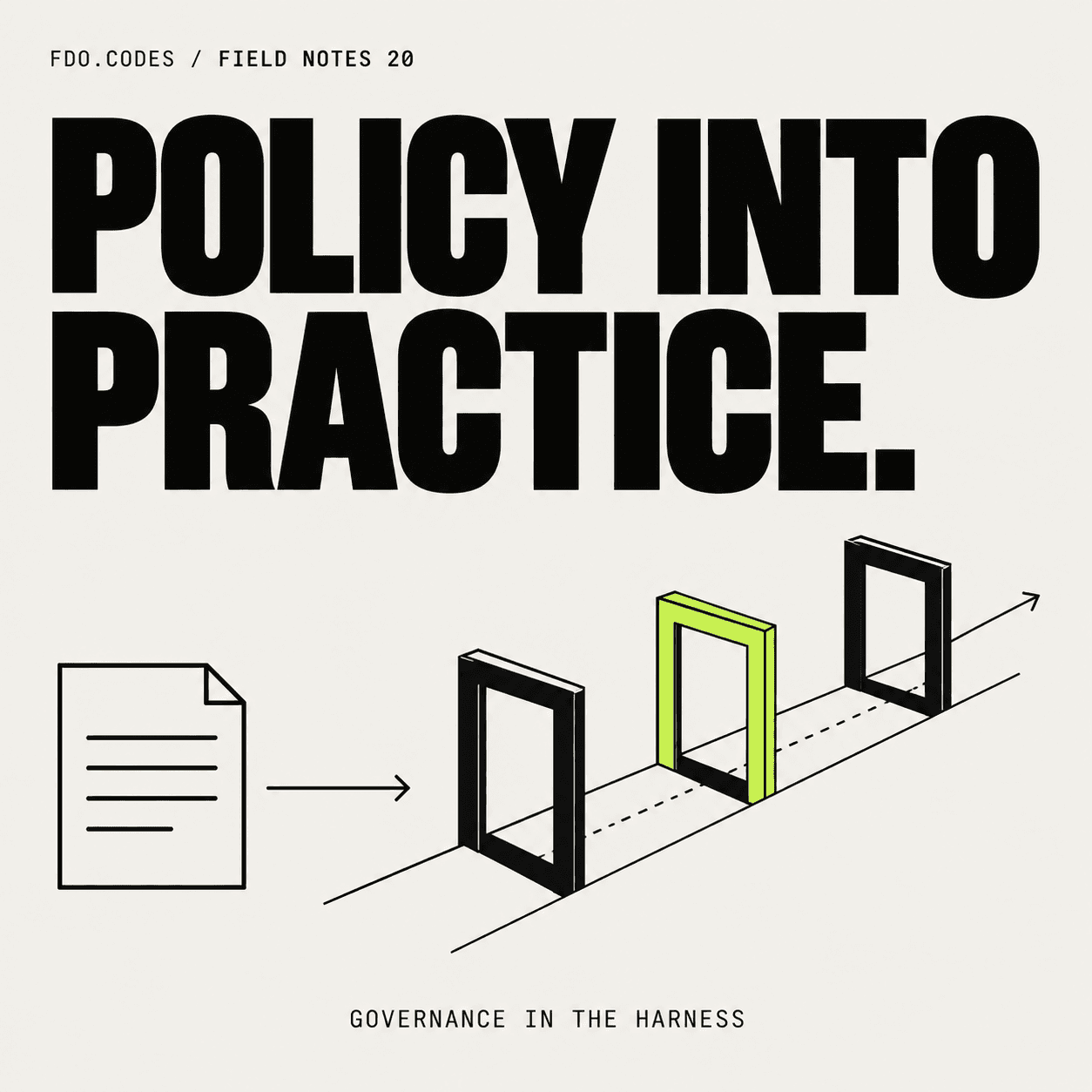
Some controls should be ordinary software. A permission check belongs in the tool or service, not only in a sentence asking the model to behave. A database constraint should not depend on how confident a generated answer sounds. A human approval should authorise a specific action and its current parameters.
Consistent standards, measurable results
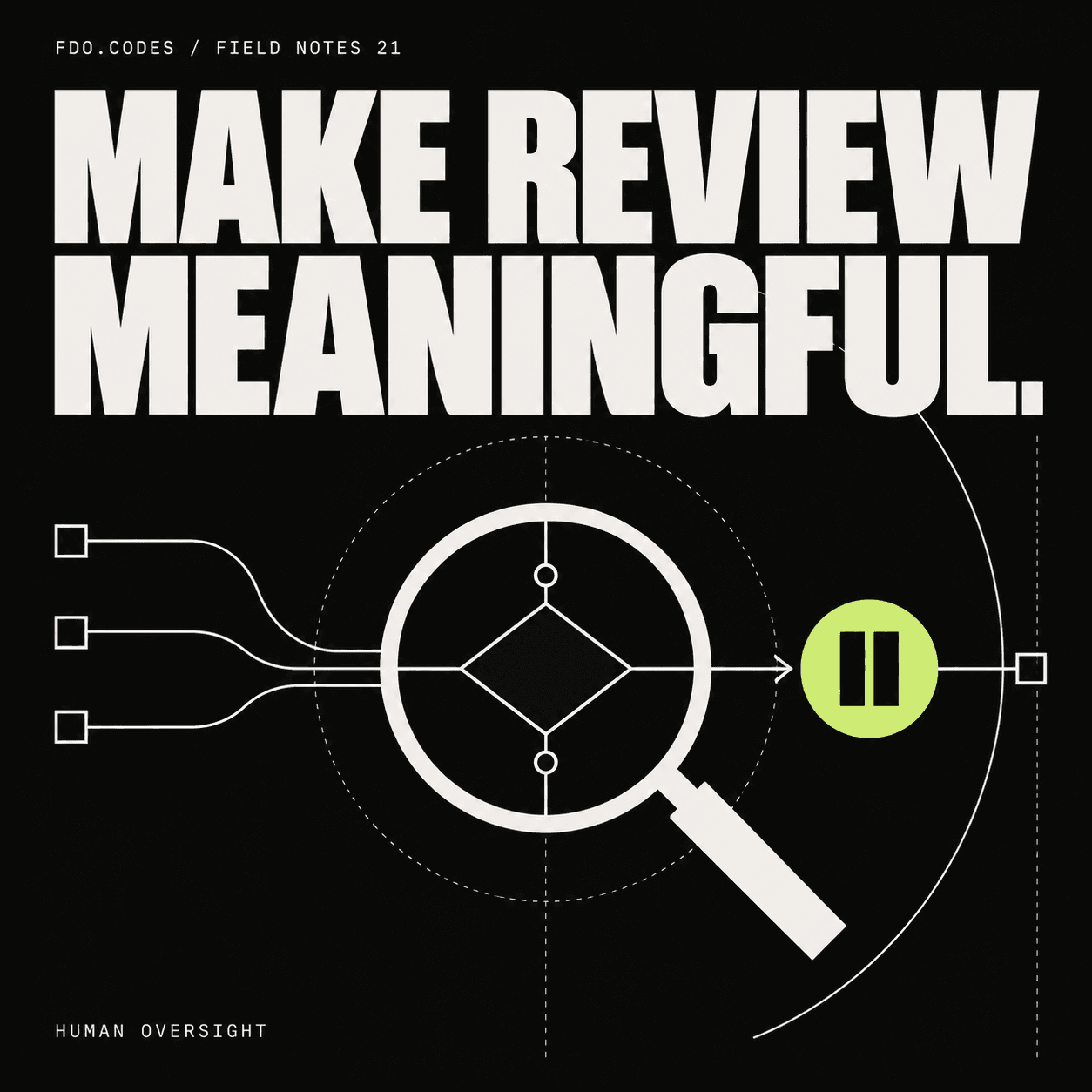
The goal is consistent standards, not identical prose. Two acceptable summaries may use different words. Two attempts to update a customer record must respect the same access rules and business constraints. When the system cannot meet those standards, an explicit exception is more useful than a polished guess.
Anthropic’s work on long-running agents provides a practical example: explicit setup, bounded increments and durable handover artifacts help work continue across sessions. Anthropic — Effective harnesses for long-running agents The wider lesson I draw is that continuity and verification deserve engineering attention alongside model capability.
This is the work I enjoy: meeting the operational problem, understanding what good looks like, and building a system around the model that can earn trust through evidence. The model provides capability. The harness helps turn it into a service a business can actually operate.
Need to turn a promising AI demo into a controlled workflow? Let’s discuss the harness at hi@fdo.codes.